

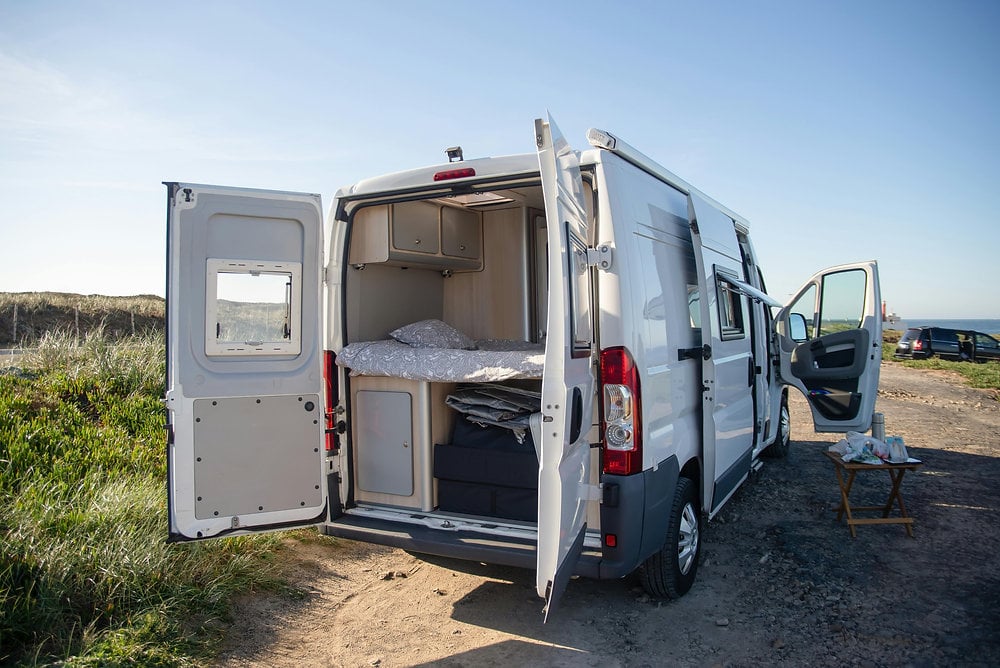
A motorhome road trip in Europe gives you both the freedom of wild camping and the comfort of great campsites. A classic 3–4 week loop can take you through the Alps, along the French and Italian Riviera and on to Venice, Slovenia and Croatia. Below you will find our best wild camping tips, hand-picked campsites for families and adventurers, and a ready-made route you can adapt.
Do you dream of waking up to a new view every morning, with nature as your closest neighbour? Or do you prefer the facilities of a good campsite? With a motorhome or caravan you can have both, and Europe has something for every style of travel.
Quick overview
- Best for: Families and adventurers who want to see a lot in one trip
- Travel type: Motorhome, campervan or caravan
- Duration: 3–4 weeks for the full loop
- Route: The Alps, the Riviera and the Adriatic
- Best season: Late spring to early autumn
- Remember: Check wild camping rules and road tolls in each country
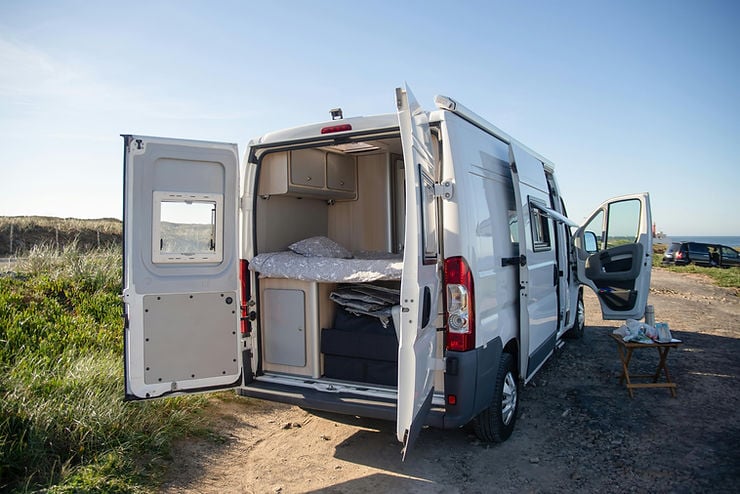
How do you wild camp with a motorhome in Europe?
Wild camping means finding your own spot in nature, away from the crowds. The rules vary a lot between countries, so prepare well. Our best tips:
- Respect nature and local rules: always check what applies where you are. Overnight stays are allowed in some countries and restricted or banned in others. Apps such as Park4Night and iOverlander help you find legal, recommended spots.
- Be self-sufficient: carry enough water, food and power. Empty grey water and toilets at disposal stations, never in nature. "Leave no trace" is the motto.
- Find the hidden gems: small forest roads, mountain passes and quiet lakes often have the best spots.
- Safety first: park where you feel safe and trust your instincts. A good rule of thumb is to stay where other motorhomes are parked, or close to places that seem inhabited.
- Use motorhome stopovers: many countries have dedicated motorhome parking areas, such as Stellplätze in Germany and aires in France. They are a good option where wild camping is not allowed.
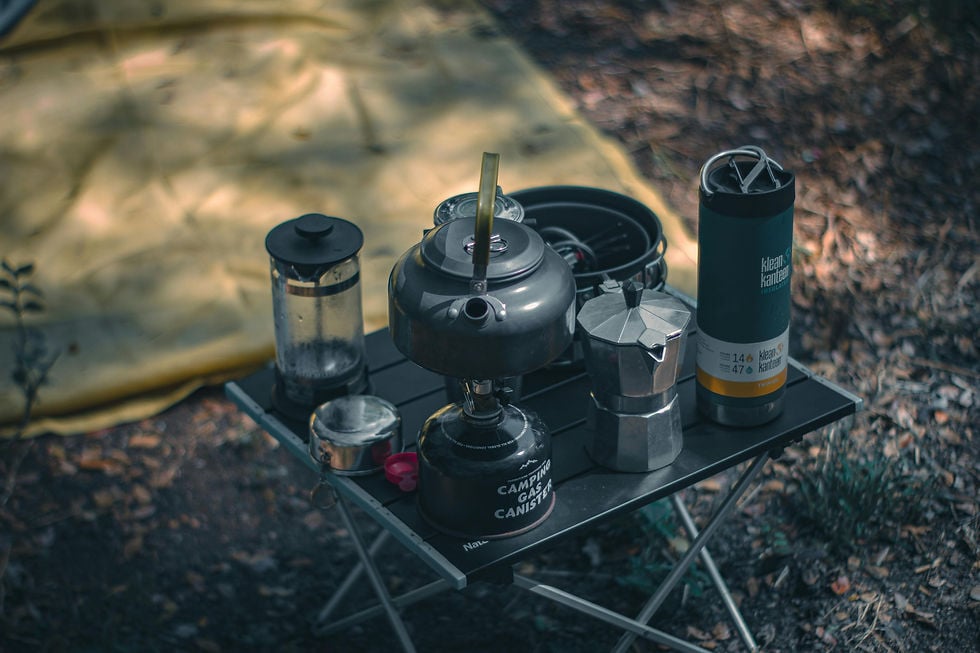
Which European campsites are best for families?
Sometimes it is great to have facilities, services and a social atmosphere. These two are particularly good for families with children:
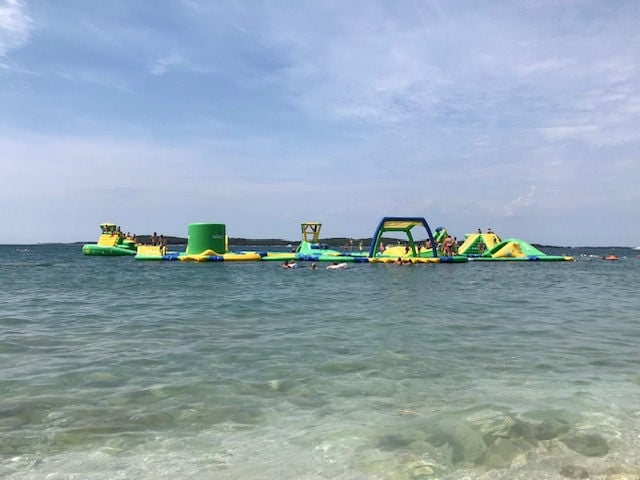
- Camping Union Lido (Italy): more a holiday village than a campsite, with large pool areas, water slides, restaurants, shops and entertainment. It sits right on the Adriatic, so the beach is on your doorstep.
- La Sirène (Argelès-sur-Mer, France): a large, award-winning campsite in southern France, known for its water park, entertainment and closeness to the Mediterranean.
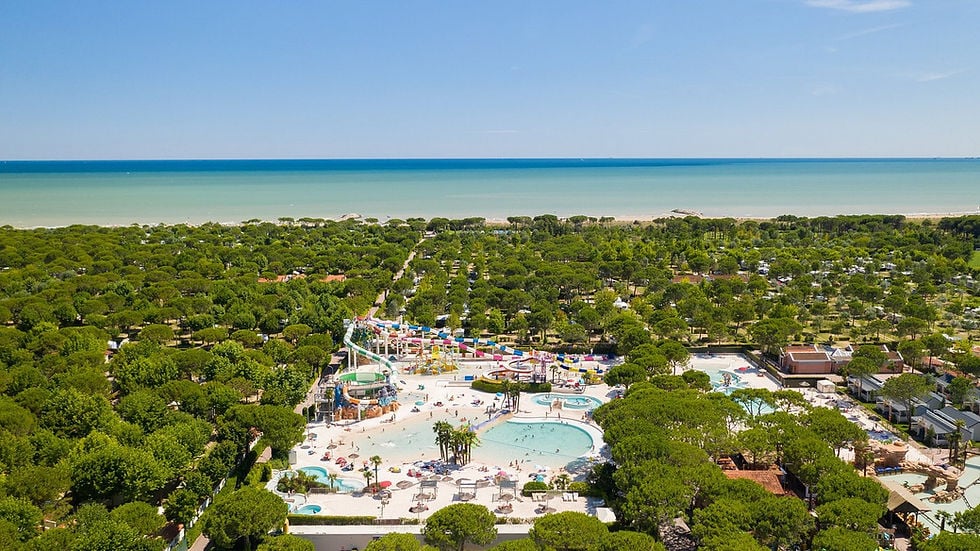
Which campsites suit adventurers?
- Chamonix (France): the valley has several campsites with views of Mont Blanc and quick access to some of Europe's best hiking and climbing. A perfect base for mountain lovers.
- Camping Fusina (Venice, Italy): combine city life with your motorhome trip. The campsite is on the waterfront, and boats run from here into Venice's historic centre.
- Camping Bled (Slovenia): idyllically set on the shore of Lake Bled, with views of the castle and the island. Perfect for paddling, cycling and hiking.
Route: the Alps, the Riviera and the Adriatic
Here is a suggested 3–4 week motorhome route that balances dramatic scenery, charming towns and a mix of wild camping and campsites.
Part 1: The Alps (about 7–10 days)
- Start in Germany: from Scandinavia, drive south into Germany. Consider a night in the Black Forest for a relaxed start.
- The Swiss Alps: experience dramatic mountain passes around Interlaken or Zermatt. Zermatt is car-free, so park outside and take the train in. For full service, stay at Camping Jungfrau in Lauterbrunnen.
- The French Alps – Chamonix: enjoy spectacular scenery, cable cars and excellent hiking.
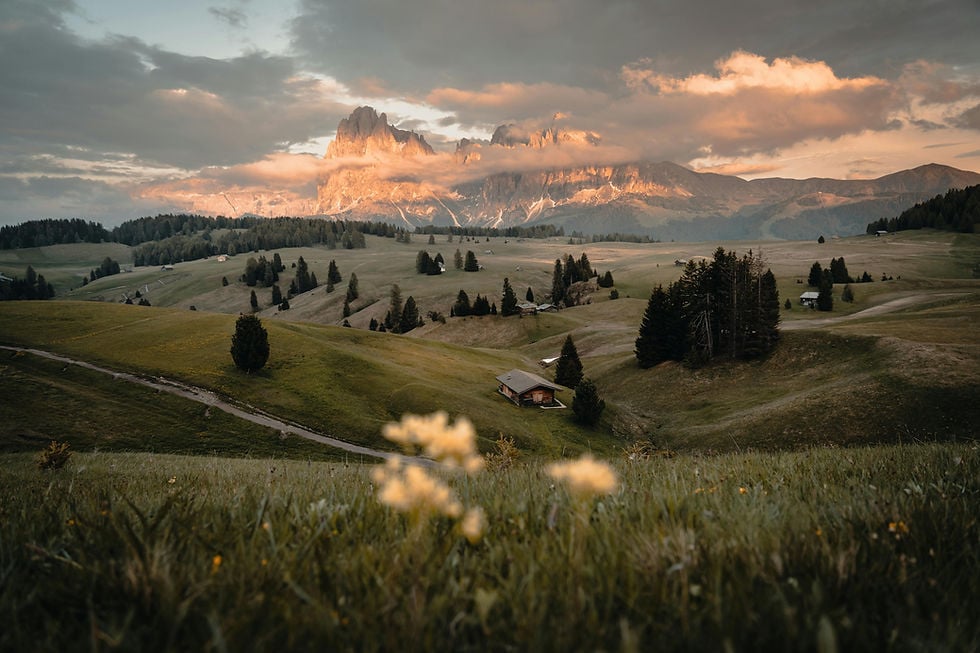
- The Italian Alps – the Dolomites: one of Europe's most beautiful mountain areas. Camping Vidor in Val di Fassa is a good choice for families.
Part 2: The Riviera (about 7–10 days)
- The Italian and French Riviera: follow the coast via Portofino to Nice and Cannes. Wild camping is difficult here because the coast is densely built up, so use motorhome parking areas or smaller campsites a little inland.
- Gorges du Verdon: a detour to turquoise rivers and deep canyons, with paddling, hiking and cycling. Camping Huttopia Gorges du Verdon near Castellane is one option.
Part 3: The Adriatic (about 7–10 days)
- Venice: stay at Camping Fusina and take the boat into the city.
- Slovenia: visit Lake Bled and Triglav National Park. Wild camping is limited, but there are small, family-run campsites.
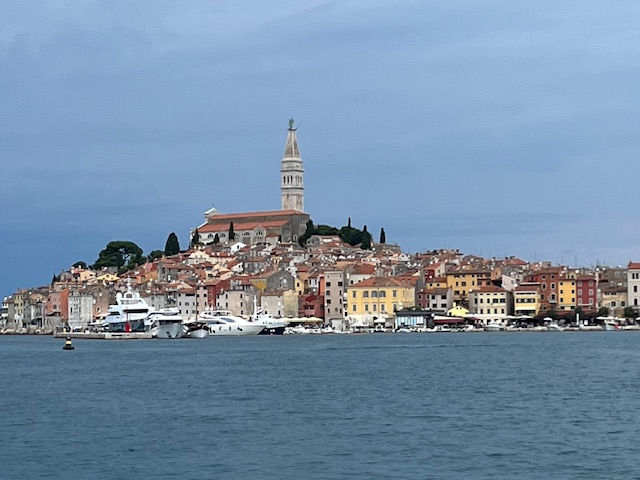
- Croatia – Istria: the coastal towns of Rovinj and Pula offer clear water and great food. Camping Polari near Rovinj is one option, and you can often find quiet spots outside the towns.
The journey home
Drive north through Austria and Germany, or take a ferry from northern Germany or Denmark back to Norway.
What should you check before a motorhome trip in Europe?
- Tolls and vignettes: several countries, including Switzerland, Austria and Slovenia, require a motorway vignette. Others, such as France and Italy, use toll booths.
- Low-emission zones: many cities have low-emission or restricted traffic zones in the centre. Check the rules before driving in, and consider parking outside.
- Insurance and documents: keep the vehicle registration, your driving licence and proof of insurance to hand. If you rent, confirm with the owner that driving abroad is allowed.
- Size and weight: know your vehicle's height, length and weight. Narrow mountain roads and old town centres may have restrictions.
- Book in high season: popular coastal campsites fill up in July and August.
Visiting Scandinavia? Read about the best campsites in Sweden and the best campervan routes in Norway.
Comments