

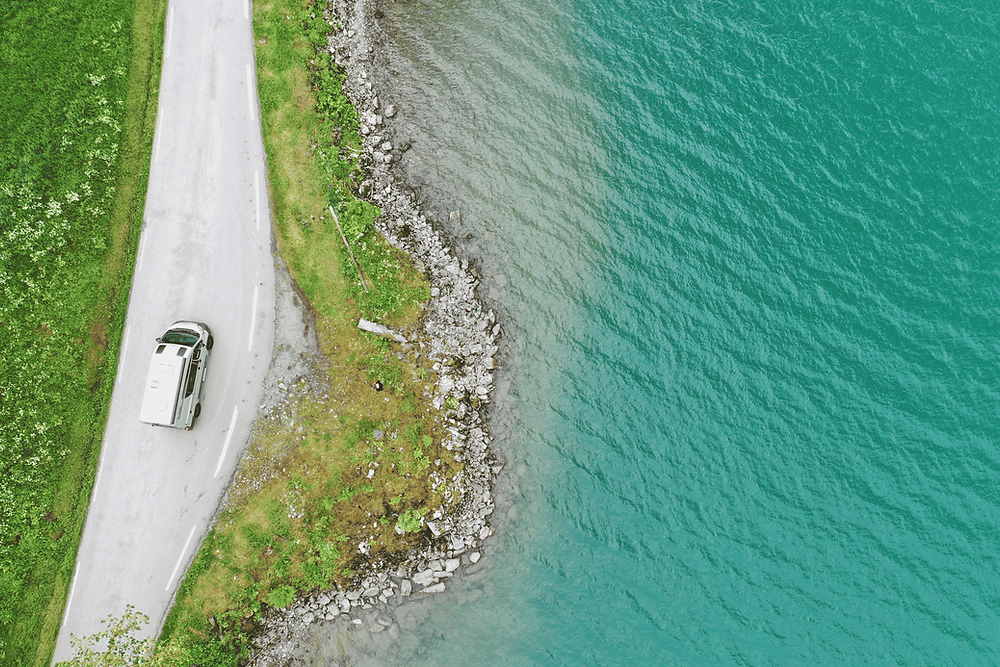
Campervan travel in Norway can be cheaper than a car and hotels, especially if you are two or more people travelling for five days or longer. A campervan combines transport and accommodation, and you can cook your own meals in a country where eating out is expensive. Rental, fuel, ferries and campsites still add up, so it pays to do the maths before you go.
Below we break down the main costs of a campervan trip in Norway, with example price ranges, so you can decide whether it is the right option for your budget.
Quick overview
- Budget travellers: often cheaper than hotels
- Couples and groups: the most cost-effective, as the rental is shared
- Luxury travellers: similar to or slightly more expensive than hotels
- Biggest costs: rental, fuel, and ferries and campsites where needed
Note: prices in this article are approximate examples in euros and vary with season, vehicle and route. Always check current prices before you book.
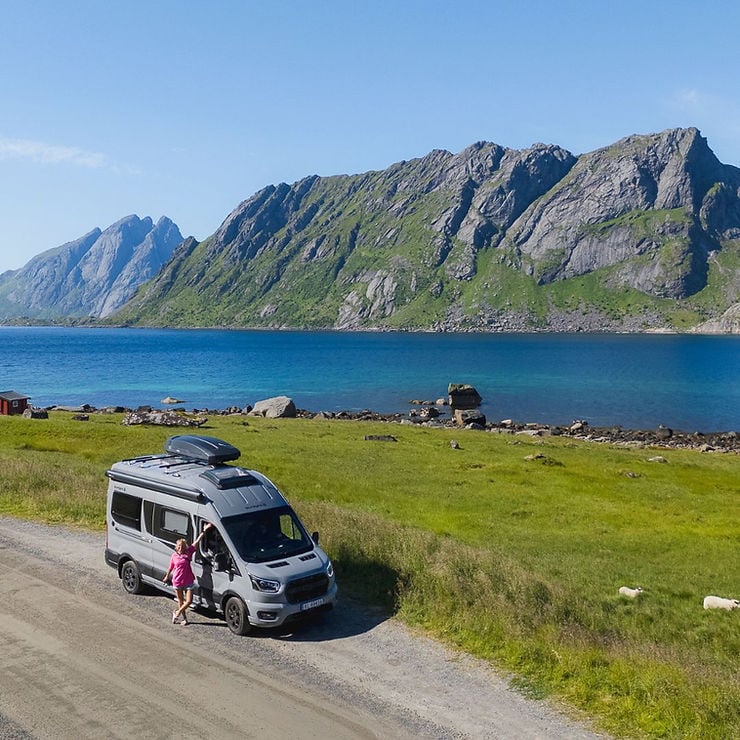
How much does a campervan rental cost in Norway?
The rental is the biggest single expense. Prices depend on size, standard and season:
- Budget campervan: approx. €100–145 per day
- Mid-range: approx. €145–205 per day
- Premium motorhome: approx. €205–285 per day
July is peak season and the most expensive. If you are flexible, June and late August can mean lower prices and quieter roads. Booking early also gives you a wider choice. On Campr you rent directly from private owners, and each owner sets the price for their vehicle.
What do fuel costs look like?
Fuel is relatively expensive in Norway, and a campervan uses more than a car. For a ten-day trip, expect roughly €220–440 in fuel, depending on distance and how hilly your route is.
To keep fuel costs down:
- Drive smoothly and not too fast – it makes a big difference in a heavy vehicle
- Plan your route to avoid unnecessary detours
- Stay several nights in one place instead of moving every day
Distances in Norway are longer than they look on the map, because roads follow fjords and valleys. Plan realistic driving days rather than covering the whole country.
How much do you save on accommodation?
This is where a campervan really pays off. A hotel room in Norway often costs around €140–285 per night in season. With a campervan, your bed is included in the rental.
You can stay overnight for free in many places in the countryside if you follow the rules. Read more about where you can stay overnight in a campervan in Norway. When you want electricity and a shower, a campsite is still far cheaper than a hotel.

Food and living costs
- Cooking in the campervan: approx. €11–22 per day
- Eating out: approx. €25–50 per meal
Restaurants in Norway are expensive. With your own kitchen you can shop at the supermarket and make breakfast, packed lunches and dinner yourself. Save restaurant meals for the places you really want to experience.
What hidden costs should you plan for?
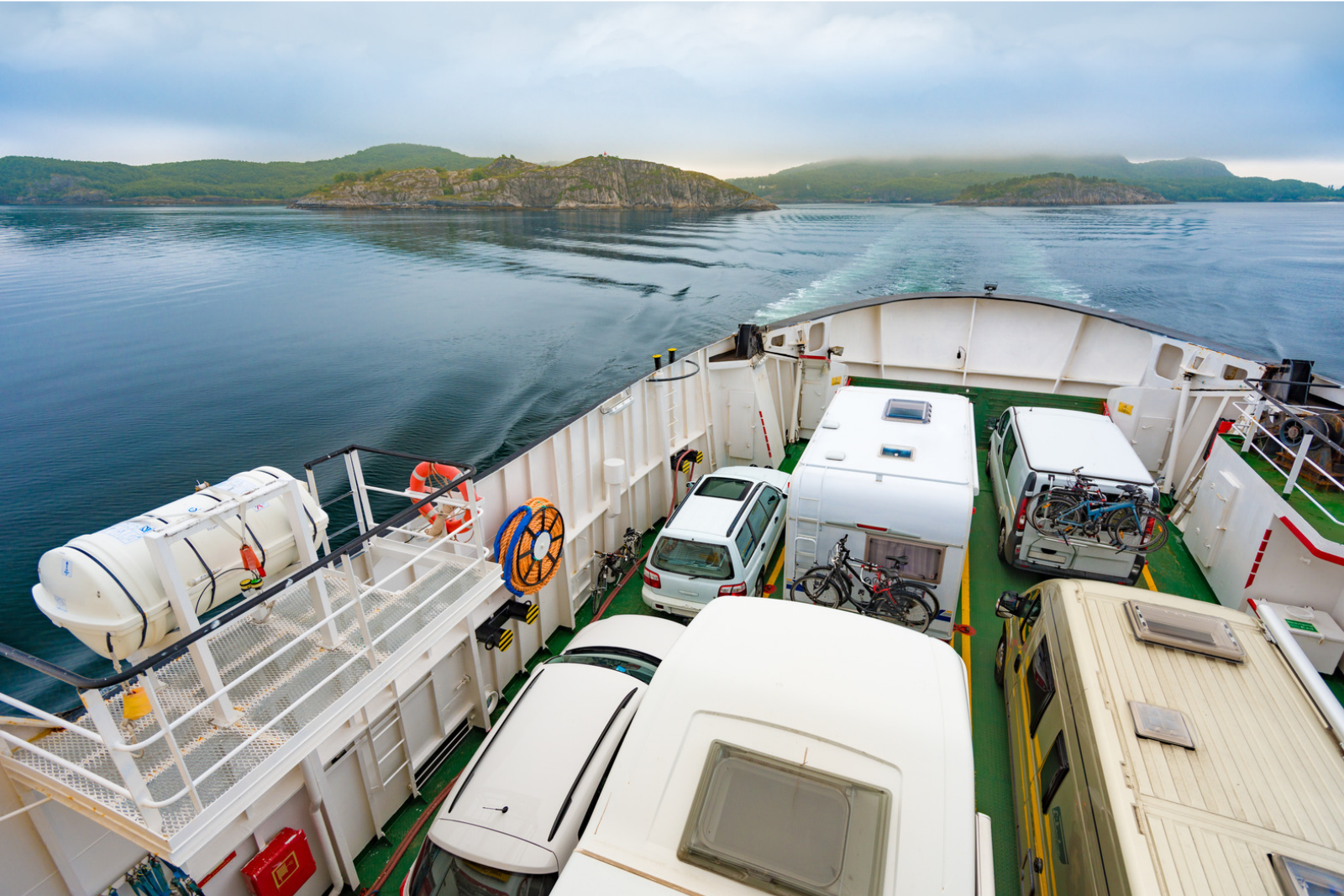
- Ferries: many coastal and fjord routes include ferry crossings, and campervans pay more than cars.
- Road tolls: most toll stations register your number plate automatically and you are billed afterwards. Ask the owner how tolls are handled for the vehicle you rent.
- Campsites: approx. €15–50 per night, depending on location and season.
- Parking: cities and popular attractions may charge for parking.
Even with these extras, the total is often lower than a hotel-based trip.
Total cost comparison: ten days
Campervan:
- Rental: €1,100–1,650
- Fuel: approx. €330
- Food: €165–275
- Total: approx. €1,595–2,255
Hotels and transport:
- Hotels: €1,320–2,750
- Transport: €330–660
- Total: approx. €1,650–3,410
A campervan is often cheaper or about the same, with far more flexibility. Note that this example does not include ferries, tolls and campsites, which apply to both options where relevant.
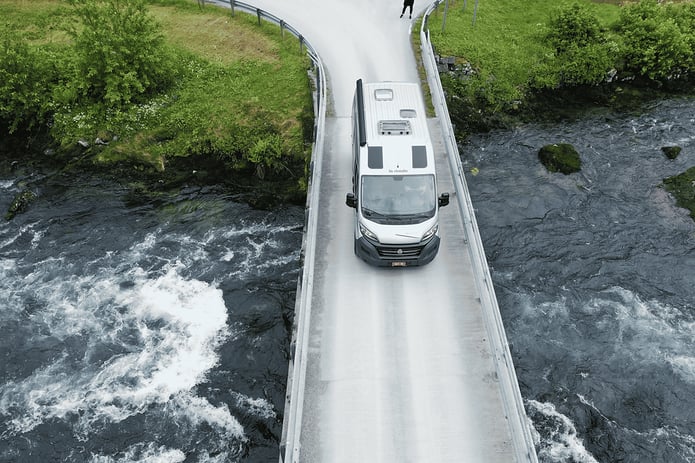
When is campervan travel cheapest?
A campervan gives the best value when:
- You travel for five days or more
- Two or more people share the costs
- You cook most of your own meals
- You combine free overnight spots in nature with simple campsites
- You avoid the busiest weeks in July if you can
Is it worth it?
For most travellers, yes. Even when the cost is similar to hotels, you get freedom, flexibility and experiences a hotel room cannot give you. Not sure a campervan suits you? Read do you need a campervan in Norway?
Comments